Roofing in Ballast Point
Bayside Ballast Point homes catch salt air and wind-driven rain. We help you protect the roof and reach a licensed Tampa roofer who understands coastal exposure.
Coastal roof leak repair and re-roofing in Ballast Point
Ballast Point roofing carries a coastal edge. Bayside homes near Bayshore Boulevard take salt air and wind-driven rain that age a roof faster than a sheltered inland street, and older South Tampa housing adds the wear of years on top. Whether you are chasing a leak on a porch addition, weighing a reroof, or booking a post-storm inspection, we help you work out the right step, and a licensed Florida roofer familiar with waterfront exposure inspects and quotes it. The inspection here looks closely at wind-driven rain paths, flashing, and the transitions where porches and additions meet the main roof - the spots that give out first near the water.
What Ballast Point roofs are up against
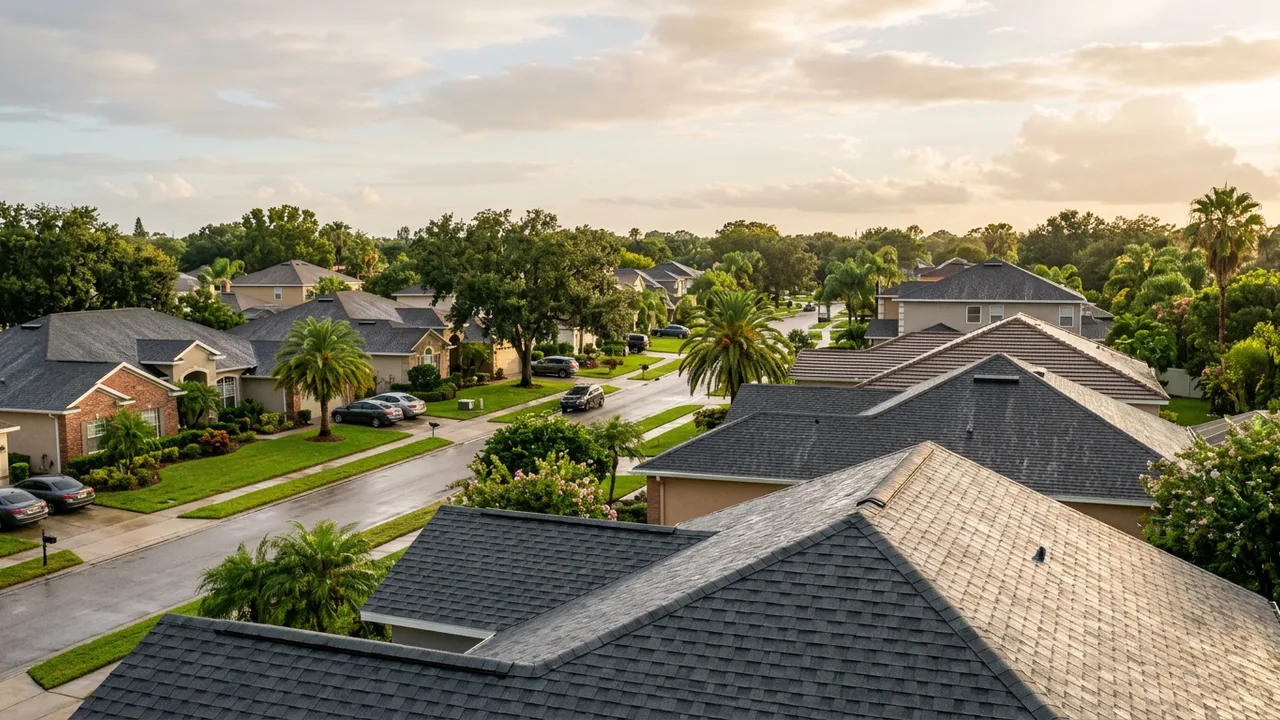
Ballast Point sits at the bayside edge of South Tampa, a mix of older and mid-century homes near Bayshore Boulevard and Interbay Boulevard with real exposure to salt air and wind off the bay. That exposure shows up as corrosion at fasteners and flashing, brittle sealant, and leaks along the transitions of porches and additions where wind-driven rain sneaks in. Established trees on many streets add debris and shade to the mix. The common local jobs are salt-stressed flashing and fixings, wind-driven-rain leaks at wall junctions and additions, and aging coverings due for renewal. Roof material choice here is often influenced by the trade-off between salt tolerance, shade, and drainage.
When you get in touch, it helps to describe roughly where you are - near Ballast Point Park, Bayshore Boulevard, or Gandy Boulevard, and which streets you back onto. That context helps a roofer picture the access, the roof style, and the exposure before they ever get on a ladder.
What makes Ballast Point different for roofing
Ballast Point's roofing is shaped by close, direct coastal exposure without the barrier-island premium. Homes near the bay take salt air and wind-driven rain, so corrosion at the fasteners and flashing and leaks at porch-and-addition transitions tend to drive repairs before the field of the roof wears out. The older housing stock brings tired flashing and aging coverings, while mature trees shade slopes and drop debris into gutters. Drainage details matter on the low-lying bayside lots. Local inspections focus on the corrosion-prone fixings and flashing, the wind-driven-rain paths at wall junctions, and the aging details of a coastal South Tampa roof, rather than assuming the main covering is the problem.
None of this means your roof has a problem it should not - it just means a Ballast Point roof rewards a roofer who knows what to look for locally. We help homeowners here and across nearby Bayshore Beautiful, Port Tampa and Sun Bay South, so wherever you sit in this part of Tampa, the starting point is the same: an honest inspection, a clear read on repair versus replacement, and a written estimate you can actually weigh. Send us what you are seeing on the roof and we will take it from there.
Roofing help we cover in Ballast Point
Roof Repair
Fast, reliable repairs for leaks, storm damage and worn roofing across Tampa.
Roof Replacement
Full roof replacement using Florida Building Code-compliant materials and proper ventilation.
Shingle Roofing
Architectural asphalt shingle installation and replacement for Tampa homes.
Metal Roofing
Long-lasting metal roofing systems designed for Florida wind and salt exposure.
Tile Roofing
Concrete and clay tile roofing with code-compliant underlayment for Tampa homes.
Flat & Low-Slope Roofing
TPO and modified bitumen solutions for low-slope roofs and additions.
Roof Inspection
Detailed inspections for storm damage, insurance claims and remaining useful life reports.
Roofing questions Ballast Point homeowners ask
Do I need a permit from the City of Tampa to replace my roof?
How can I tell if my roof was damaged by a recent Tampa storm?
What questions should I ask a Tampa roofing contractor before hiring them?
How do I verify a roofer’s Florida license and insurance?
Talk to a specialist
Get your Ballast Point roof sorted
Tell us what is happening on the roof, and a licensed Florida roofer can inspect it and put a price in writing.